Meet the updated portal
Short briefs, original sources, translated reading and topics you can follow.
Get the free email briefingVerified AI. Human impact.
Source videos to help explain the questions behind the headlines. Each sits alongside our own context and evidence check. These are background explainers; current research remains in the newsroom.
60-second research explainer · AI presenter
Watch the study’s rejection-rate chart and before-and-after verification table. The benchmark used 100 ambiguous requirements across 25 Python tasks; passing the reference does not mean software is bug-free.
AI-generated presenter and voice. Charts reproduce the paper’s main evaluation; this is a controlled benchmark, not a production reliability estimate.
Our captioned explainers use licensed photographs of real people and original instrumental music. These are illustrative photographs, not images of the research participants. Play to hear the music.
Photography: Dylan Gillis / Unsplash · Vitaly Gariev / Unsplash · Headway / Unsplash · Christina @ wocintechchat.com / Unsplash. Photo licence.
Short briefs, original sources, translated reading and topics you can follow.
Get the free email briefingAnthropic’s survey measured expectations about 2030. It did not measure future automation or job losses.
Read the source-linked analysis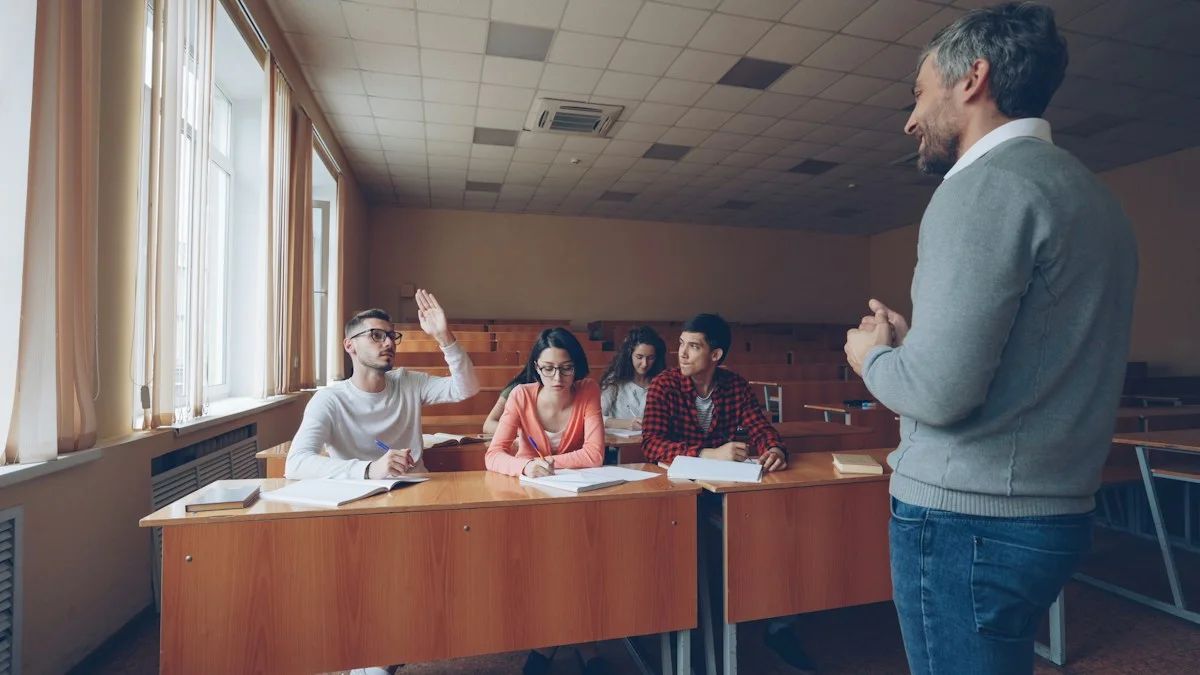
Illustrative photo · not a video frame
UNESCO · 8 min 30 sec · Background explainer
YouTube loads only when you choose; playback starts when you press play.
A conversation about how teachers can guide AI use while preserving pupils’ judgement. Watch for the difference between helping a learner think and supplying an answer.
Evidence check: Teachers’ perspectives provide context. They do not establish that a particular AI tool improves learning outcomes.
Published 2025-01-23. Source checked 14 October 2026. Check captions on the publisher’s video page.
Read the education evidencePhoto: Vitaly Gariev / Unsplash · Licence
Illustrative photo · not a video frame
Google DeepMind · 1 min 52 sec · Background explainer
YouTube loads only when you choose; playback starts when you press play.
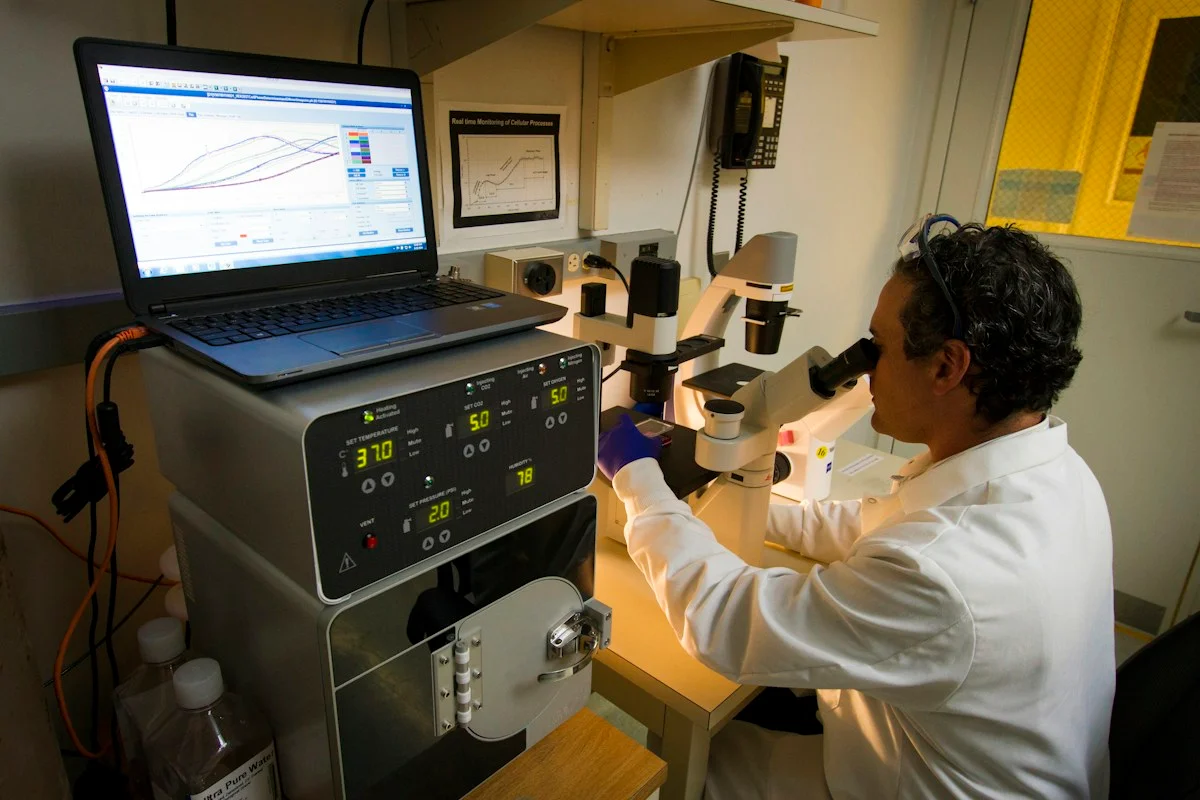
A short introduction to why a protein’s shape matters. It provides background for understanding what AI structure prediction contributes to biological research.
Evidence check: This is the developer’s explanation. Predicting a structure does not by itself establish a treatment’s safety or benefit for patients.
Published 2020-11-30. Source checked 14 October 2026. Check captions on the publisher’s video page.
Explore current research
Illustrative photo · not a video frame
UNESCO · 11 min 27 sec · Background explainer
YouTube loads only when you choose; playback starts when you press play.
Economist Daron Acemoglu discusses how choices about AI affect workers, inequality and society. Pair the interview with our comparison of task exposure, hiring and skills evidence.
Evidence check: An expert interview from 2024, offering a perspective on policy and work rather than a measured forecast of job losses.
Published 2024-10-14. Source checked 14 October 2026. Check captions on the publisher’s video page.
Read the AI and jobs guidePhoto: Dylan Gillis / Unsplash · Licence
Illustrative photo · not a video frame
The Royal Society · 44 min 28 sec · Background explainer
YouTube loads only when you choose; playback starts when you press play.
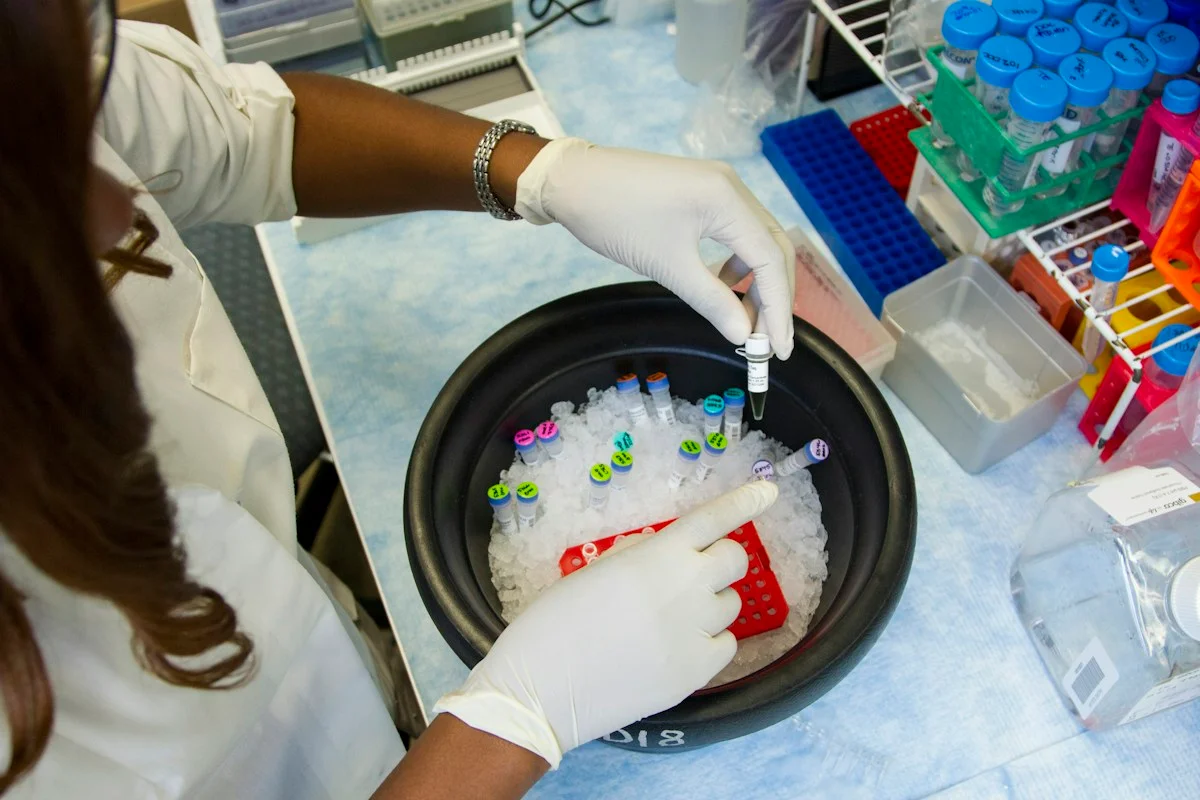
A Royal Society discussion with Madhumita Murgia and biomedical engineer Alison Noble on AI’s potential in healthcare, science and culture, recorded at the 30 June 2026 event.
Evidence check: A discussion of opportunities and risks, including future possibilities. It is not evidence that every application described is available or clinically proven.
Published 2026-07-01. Source checked 14 October 2026. Check captions on the publisher’s video page.
Check the healthcare evidencePhoto: Daniel Sone / National Cancer Institute / Unsplash · Licence

Illustrative photo · not a video frame
The Royal Society · 2 min 31 sec · Background explainer
YouTube loads only when you choose; playback starts when you press play.
A short introduction to artificial intelligence from the Royal Society. Start here for basic concepts, then use current reporting to explore what has changed.
Evidence check: Published in 2018, before today’s generative AI tools. Useful for basic concepts, rather than an overview of current capabilities.
Published 2018-11-28. Source checked 14 October 2026. Check captions on the publisher’s video page.
Explore current AI technologyPhoto: ThisisEngineering / Unsplash · Licence
Send a link to an original 30–60 second video about a real task you tried with AI. Tell us what helped, what went wrong and what you checked.
Propose a video or interview